- INSTITUTE OF CONTINUING EDUCATION RESEARCH & TRAINING
Mail us on : icertranchi[at]rediffmail.com


Tribal Welfare Rural Hospital, Simdega
Simdega District is situated between 22°36'36''N and 84°30'00''E, and covers an area of 3,774 sq. km. The district is surrounded by Gumla, Ranchi, West Singhbhum, Sundargarh (Odisha), Jashpur (Chhattisgarh) and Rourkela (Odisha). The district has a varied topography, with hills, forests, rivers, waterfalls and plains.
According to the 2011 census, Simdega District has a population of 599,578. This gives it a ranking of 526th in India (out of a total of 640). The district has a population density of 160 inhabitants per sq. km. Its population growth rate over the decade 2001-2011 was 16.62%. Simdega has a sex ratio of 997 females per 1000 males, which is higher than the state average of 948. The district has a literacy rate of 67.99%, which is higher than the state average of 66.41%. The male literacy rate is 76.08% and the female literacy rate is 59.92%. The district has a predominantly tribal population, with 45.54% of the population belonging to Scheduled Tribes and 7.45% belonging to Scheduled Castes. The major tribes in the district are Oraon, Munda, Kharia, Kharwar and Gond. The major religions in the district are Christianity (51.14%), Hinduism (33.61%) and Islam (2.52%).
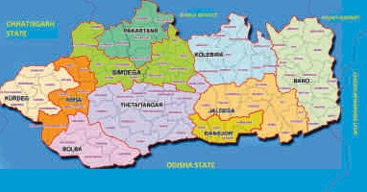
Catchment area of the TWRH Bano, Simdega
The district has a total of 80 doctors, 56 nurses, 72 pharmacists, 36 lab technicians and 36 radiographers. The district faces various health challenges, such as malnutrition, maternal and child mortality, communicable and non-communicable diseases, and lack of adequate infrastructure and human resources.
The district is implementing various health schemes and programmes, such as National Rural Health Mission, Mukhya Mantri Janani Suraksha Yojana, Mukhya Mantri Janani Shishu Suraksha Yojana, National Tobacco Control Program and National Vector Borne Disease Control Program.
The General Outpatient Department (OPD) services at the Tribal Rural Hospital in Bano, Simdega, demonstrate a significant impact over the past five years. The data indicates consistent growth in patient visits, reflecting the hospital's essential role in providing healthcare to the tribal population.
In the fiscal year 2018-2019, the hospital served a total of 2,042 patients. This number grew to 10,921 in 2019-2020, indicating the rising demand for quality healthcare. The subsequent years continued to witness an upward trend, with a total of 18,871 patients served in 2021-2022 and 26,629 in 2022-2023. The data for 2023-2024, although not complete, continues to show a positive trend.
This consistent growth underscores the hospital's vital role in delivering healthcare to tribal communities and addressing their healthcare needs. It showcases the increasing demand for quality healthcare services in the region, emphasizing the hospital's significance in the community.
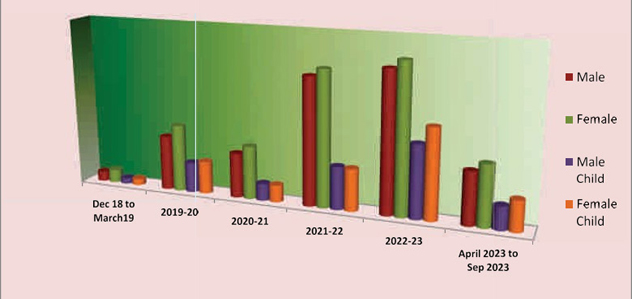
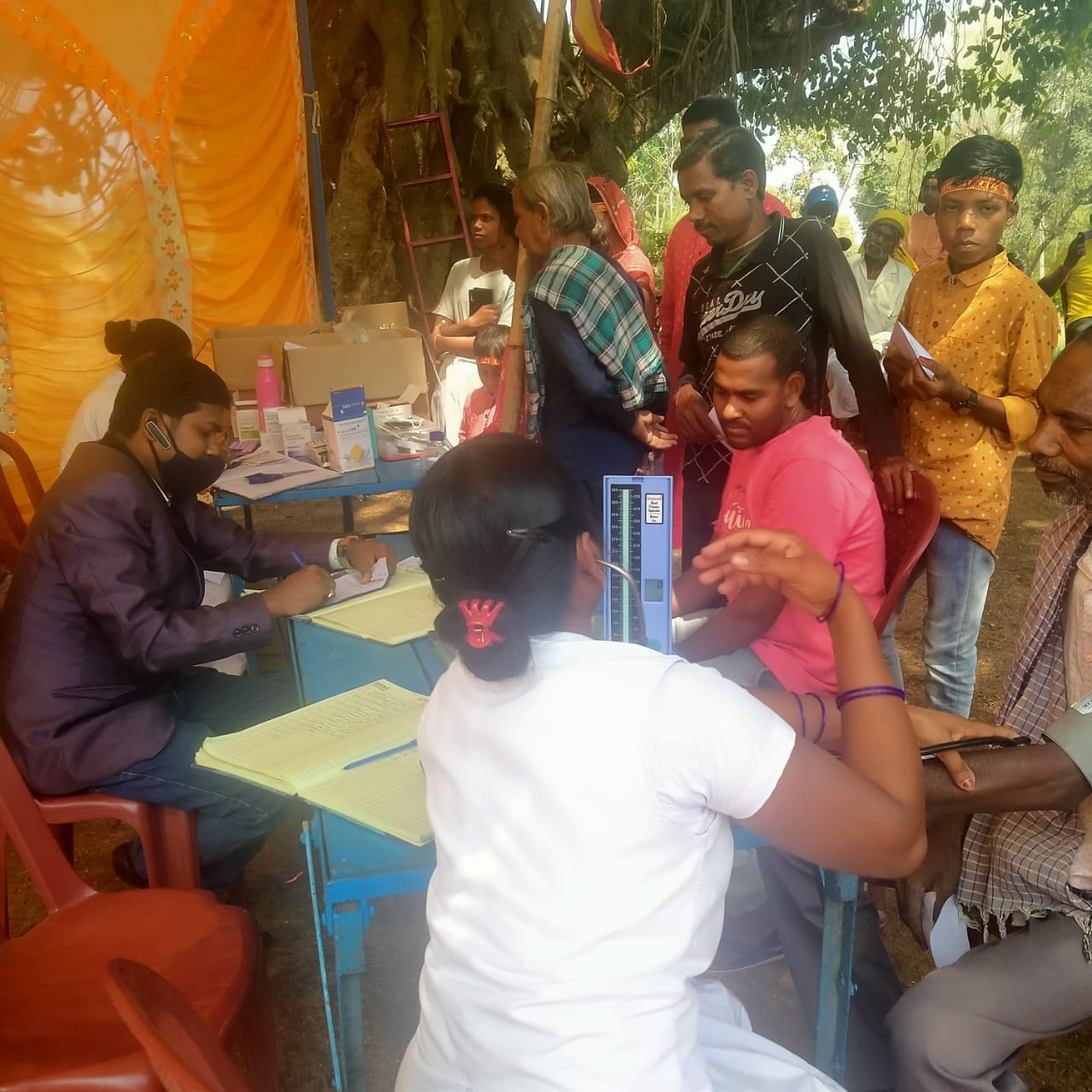
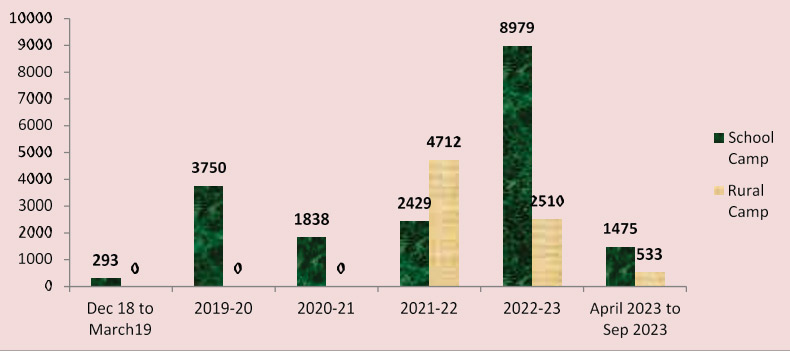
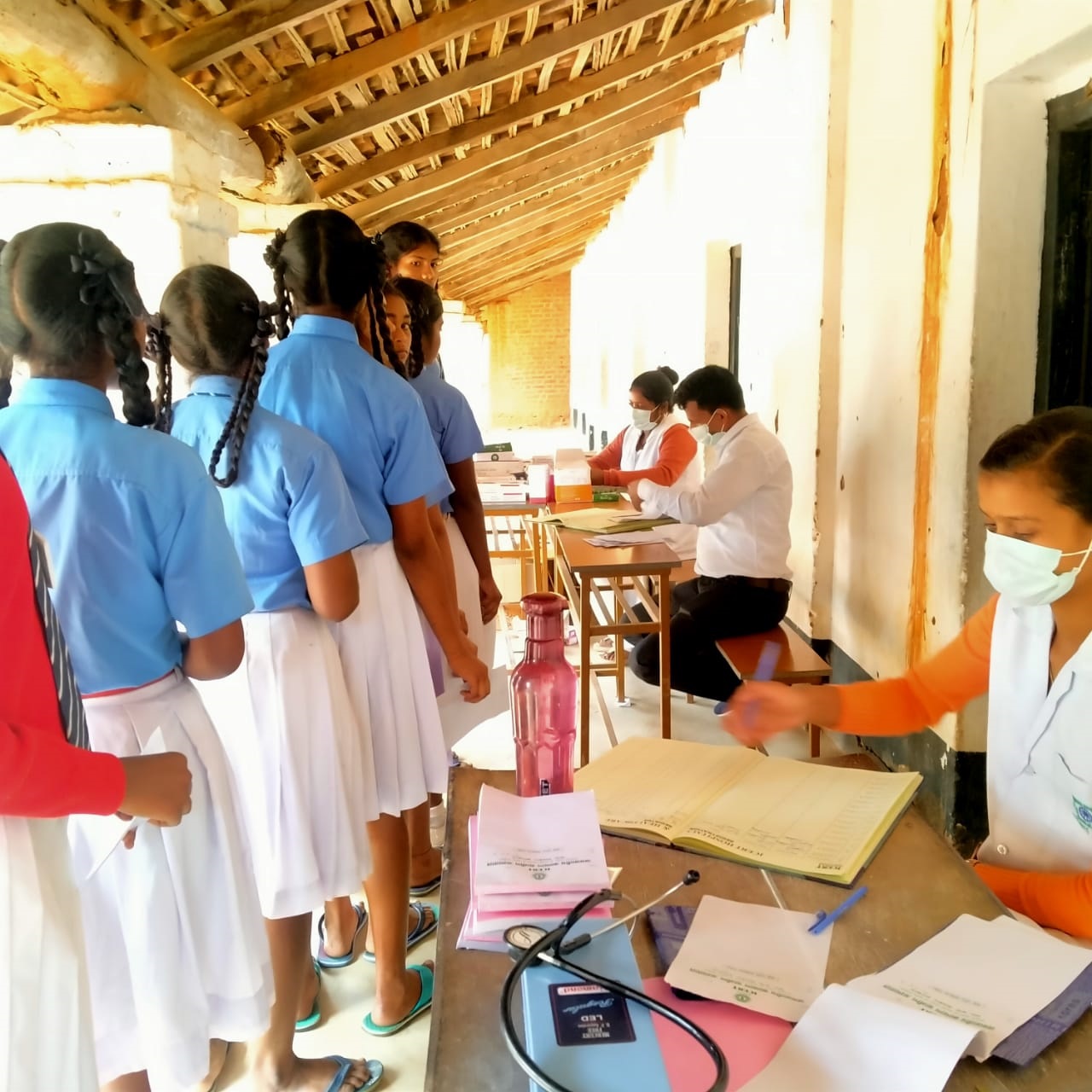
Over the past five years, Tribal Rural Hospital in Bano, Simdega, has conducted a series of community health camps, reaching out to underserved areas. These camps were organized at multiple locations, including villages and panchayats, catering to a diverse demography. Services provided encompassed general health check-ups, targeting both genders and children.
Diesel Genset (DG Set) & Solar Power
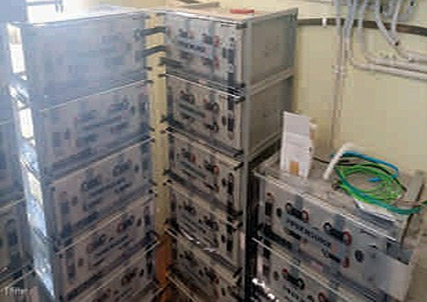
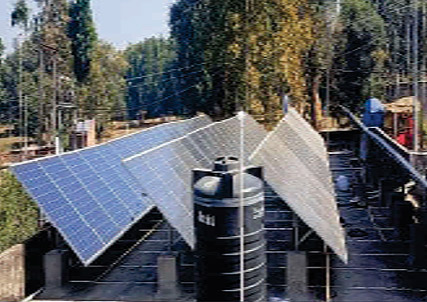
As a back-up for the very frequent and prolonged power outages, the Bano TWRH has a 30 KVA Diesel Generator Set and a 50 KVA Solar Power Battery Based Power Storage Unit.
Minor Surgeries conducted at the Bano TWRH

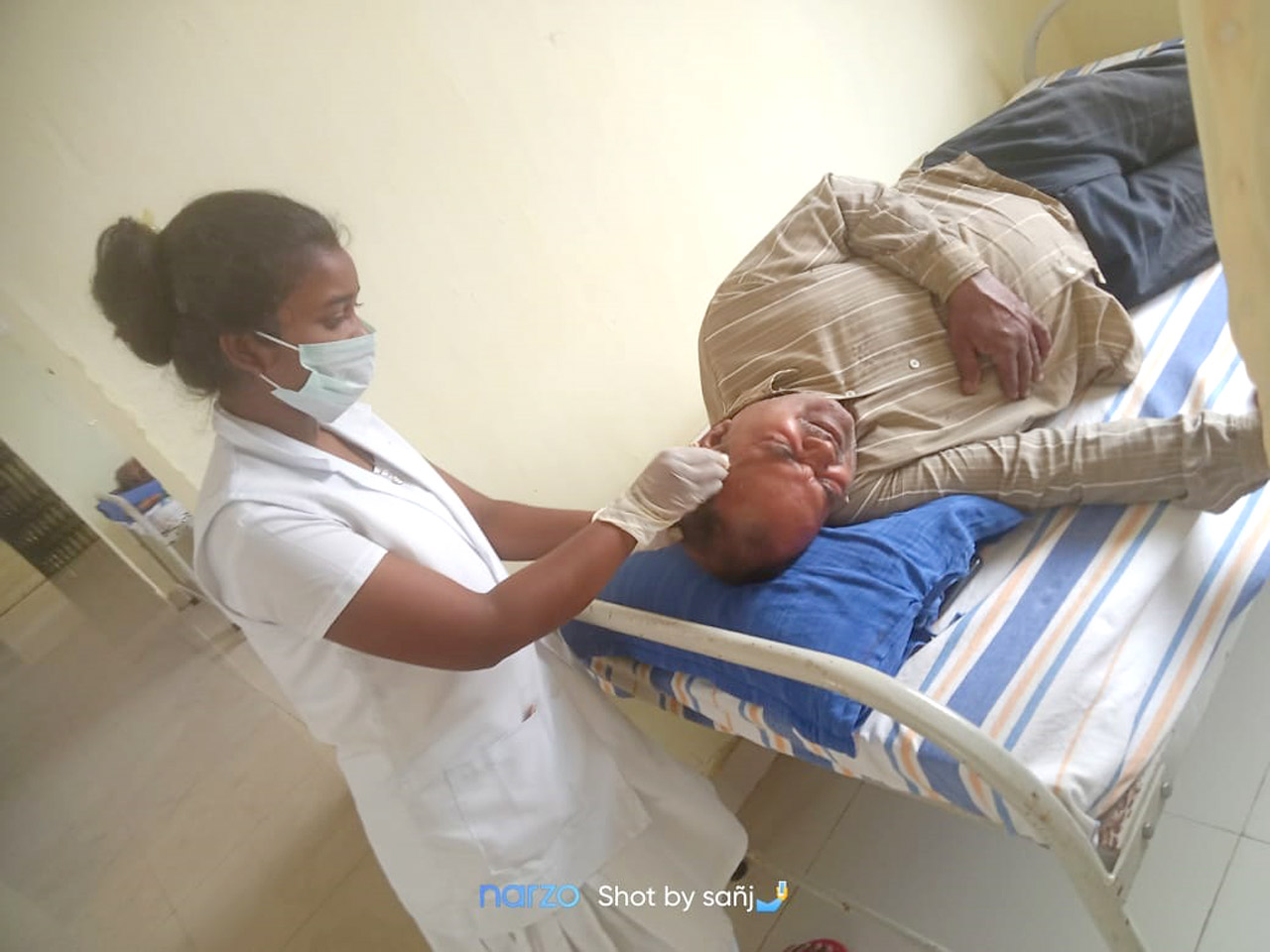
Out Patient Turnout at Bano TWRH

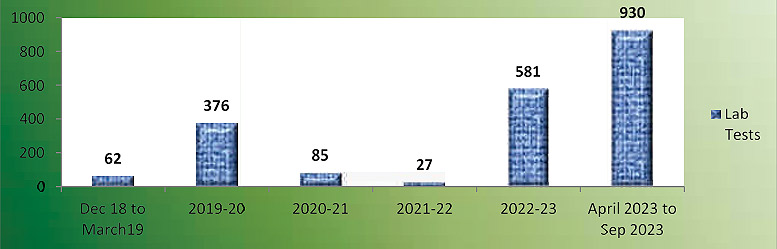
Pathological Investigations conducted at Bano TWRH
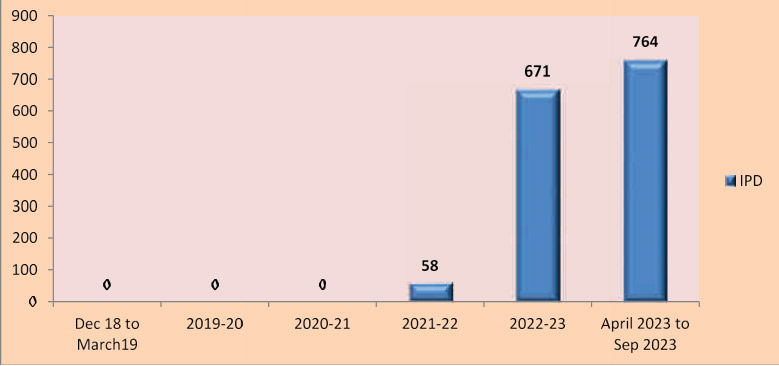
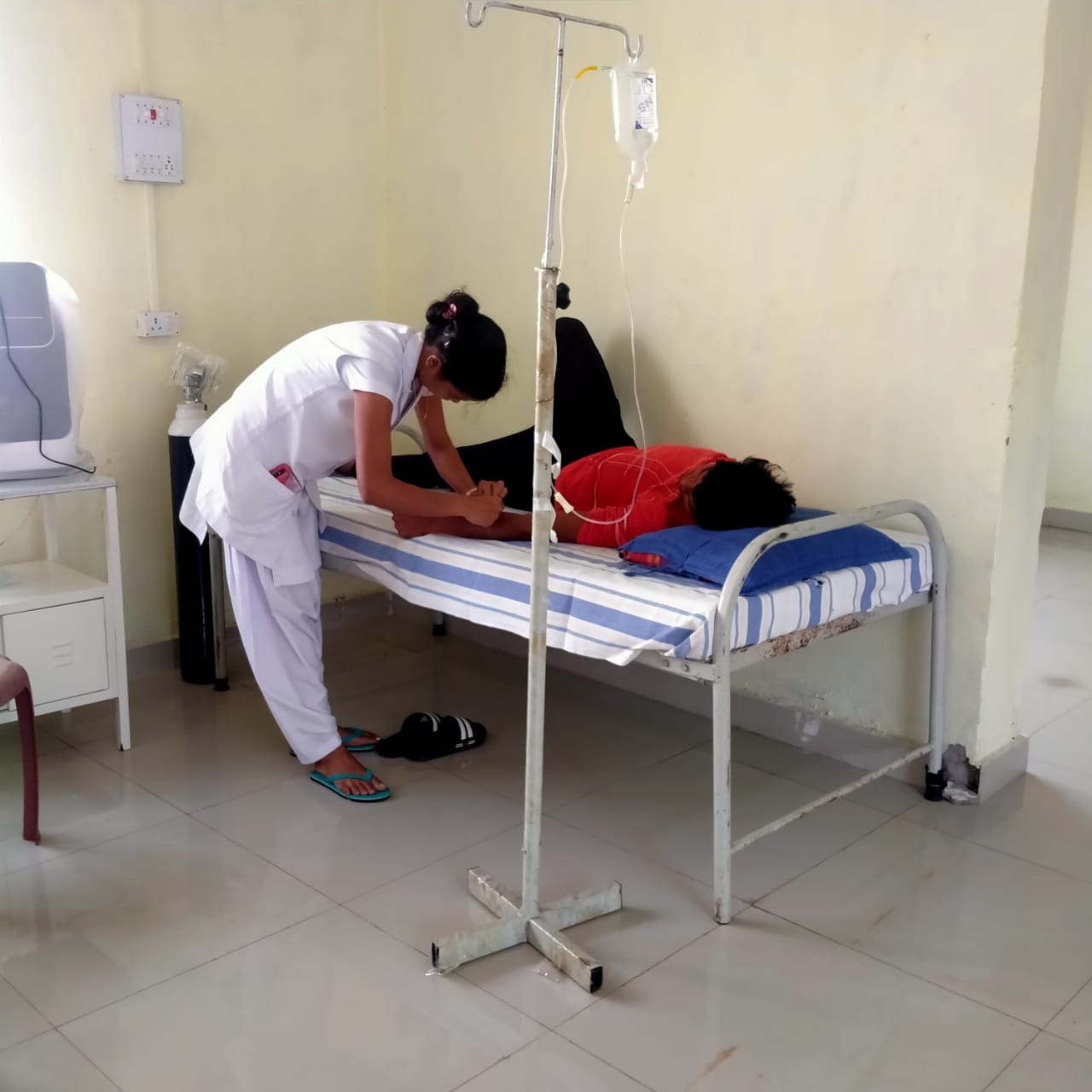
Indoor Patients registered at Bano TWRH
School Health Camps and Rural Community Health Camps conducted at Bano TWRH
Area of Operation

TWRH Latehar
Tribal Welfare Rural Hospitals
The Tribal Welfare Rural hospital is located at Mananchutang, Latehar offers ...

TWRH Simdega
Tribal Welfare Rural Hospitals
Over the past five years, Tribal Rural Hospital in Bano, Simdega, has conducted...

ETP & IDP with MSME–DI
Partnerships for providing full-time training
ICERT partners with the Micro, Small & Medium Enterprises...

Personality Development
Education, Research & Training
ICERT has, so far, supported thousands of children...

Vocational Skills
Vocational and Skill-Development Programs
ICERT’s Centre for Vocational Excellence conducts several Vocational ...

Health-Based Vocational Training
for Rural Youths
ICERT has developed and introduced the following Six Health-Based Vocational ...